The $5M–$15M DTC Brand Has The Hardest Job In ECommerce
Why DTC Brands Stall Between $5M and $15M (And What Actually Fixes It)
Most DTC brands that stall between $5M and $15M aren't doing anything wrong. They're running the playbook. But the operating model wasn't built for this stage. The agency structure was inherited from an earlier phase, reporting answers the wrong questions, and decisions take longer than they should. That gap is what creates the plateau.
It's not a performance problem. It's a stage problem. And it almost always goes undiagnosed because nothing looks obviously broken from the outside.
The DTC industry has no shortage of advice. Almost none of it is written for this stage. Early-stage content is about finding your first customer. Enterprise playbooks assume a full channel team and a CFO fluent in MER. The brand doing $8M with a lean marketing team gets handed frameworks built for everyone except them.
Why the Model Stops Working
At launch, the job is simple: find what converts and move fast. Sophistication can wait. At enterprise scale, the job is coordination and optimization across a team built to handle it.
Brands at this size are caught between the two. The budget is real but finite. The team is capable but stretched. The agency setup that felt scrappy and efficient at $3M starts creating drag at $10M. Not in fees. In friction. Missed handoffs, attribution gaps, and the invisible tax of having your best marketing person spend half their week managing vendor relationships instead of making decisions. We've written about the operational cost of that model in detail.
5 Places Growth Actually Leaks at This Stage
These patterns show up across nearly every brand we work with in this revenue range. Most are invisible on a standard dashboard.
Paid media is being asked to do too much. Paid performance is downstream of almost everything else: conversion rate, offer strength, and whether your email program can capture the traffic that doesn't buy on the first visit. When paid drops, the instinct is to fix the creative or the targeting. Usually that's not where the problem lives.
Email and SMS are running, not working. The platform is paid for. The flows are live. But the sequencing is incomplete, the segmentation hasn't been touched in months, and the channel is contributing a fraction of what it should. Owned channels at this stage should be driving 35 to 50% of revenue. Most brands we talk to are well under that.
SEO exists but doesn't compound. A blog, some PDP copy, rankings for branded terms. The brand is paying to acquire traffic through paid that a real organic strategy could own and build over time. At this stage, SEO should be a revenue channel, not a quarterly checkbox.
LTV is a number, not a system. Most brands track it. Few have built anything around it. Post-purchase sequences, loyalty logic, VIP segmentation. These exist in the roadmap but haven't been prioritized. The result is a metric that lives in a dashboard but isn't connected to anything the team is actively doing. Westman Atelier understood this early. When they came to 1r, their digital presence hadn't kept pace with where the brand was heading. We rebuilt the foundation, layered in loyalty, subscriptions, and product discovery, and focused on turning first-time buyers into repeat customers. The result was a 20% increase in sales and a 24% increase in total orders.
The internal team is holding it all together. Someone on your team, probably your best person, is spending a meaningful chunk of their week translating context between agencies, chasing updates, and filling the gaps between partners. That's coordination cost masquerading as execution. It compounds quietly and it's expensive.
What Breaking Through Actually Looks Like
The brands that move past this stage don't do it by adding. They consolidate. Fewer partners, clearer ownership, and channels that are actually connected to each other rather than running in parallel and reporting separately.
"We've been doing this for over 16 years across hundreds of brands. The ones that break through this stage aren't the ones spending the most. They're the ones who stopped managing five vendors and started working with one partner who could see the whole picture." — Melissa Speranza, VP of Growth and Marketing, 1r
At 1r, we call this integrated growth. Rather than managing channels in isolation, we look at how paid, email, SEO, and retention interact, where the drag is coming from, and what needs to be sequenced first to get the business compounding rather than grinding. In most cases that means building the retention foundation before pushing harder on acquisition. It means one partner holding the strategy, not five vendors holding their own piece of it.
This is exactly what happened with Maison Louis Marie. The brand had strong equity and real momentum, but had spent millions on paid that wasn't converting profitably. The issue wasn't the ads. Paid was being asked to carry growth that the rest of the funnel wasn't built to support. We consolidated the work across paid, SEO, email, and SMS, sequenced the priorities, and focused on building the owned channel foundation before scaling acquisition again. The result was a 91% increase in Klaviyo-owned revenue and a 43% increase in Media Efficiency Ratio, while holding paid spend flat.
As Matt Berkson, CEO, put it: "1r has done a fantastic job scaling our online business — profitably and with deep attention to our brand aesthetic and values."
The Reframe Worth Holding Onto
The brands growing most efficiently right now aren't doing more. They made the shift to integrated growth before it became urgent, sequenced the right priorities, and stopped asking their internal team to hold it all together. That's the move.
A DTC growth plateau between $5M and $15M is almost never a channel problem. It's a systems problem. The fix isn't more spend or more complexity. It's finding a partner who can hold the full strategy, sequence the right priorities, and get every channel working toward the same outcome.
If this sounds familiar, we'd love to talk. hello@1r.agency
Related News
See More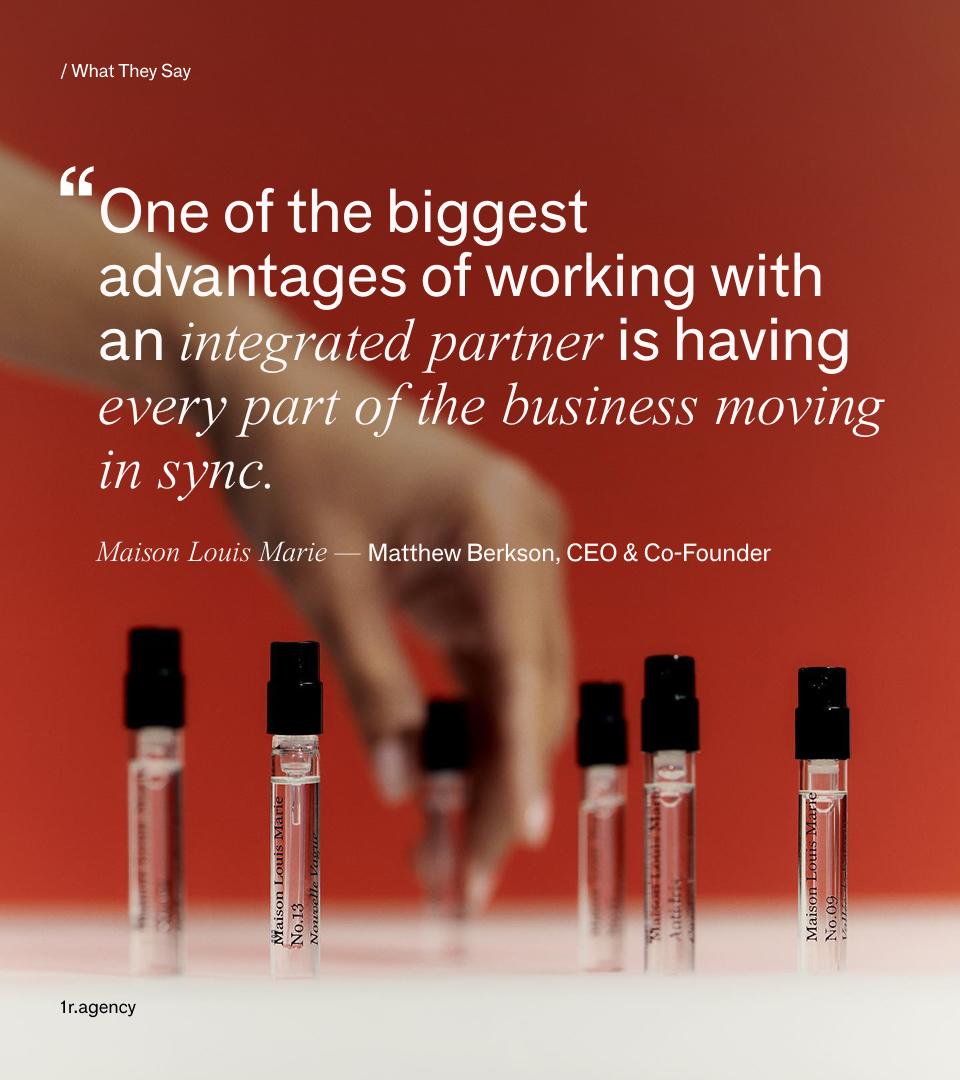
Why More Ecommerce Brands Are Replacing Multiple Agencies With Strategic Commerce Partners
The operational shift happening across modern ecommerce teams as brands prioritize alignment, efficiency, and connected growth.
How to Choose the Right Shopify Design Agency for Your Brand
A practical guide to evaluating Shopify agencies based on performance, UX, scalability, and ecommerce growth strategy.
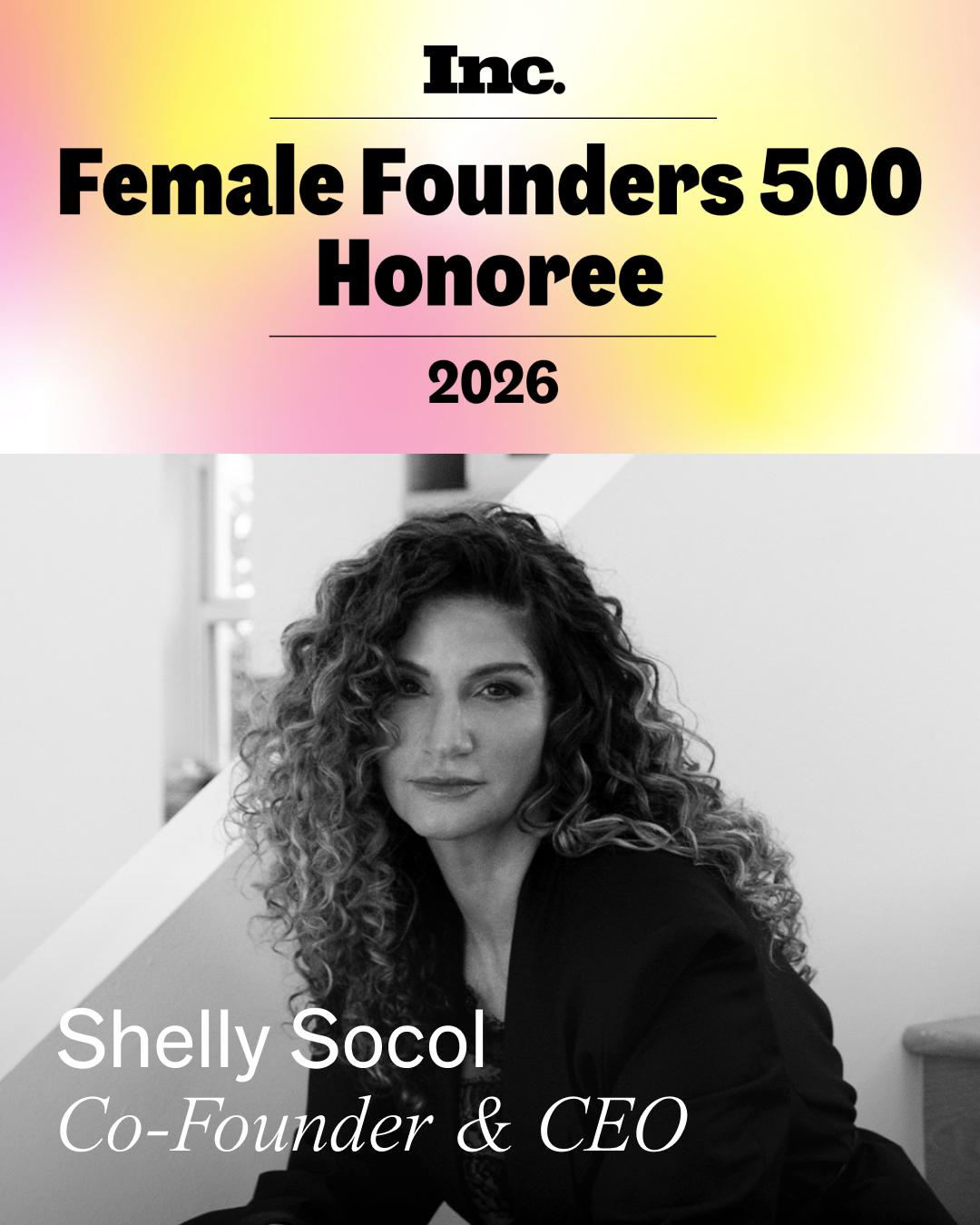
1r Agency Founder Shelly Socol Named to Inc.’s 2026 Female Founders 500
View the full list of honorees

The Power of Loyalty: Turning Seasonal Shoppers into Brand Loyalists
Learn how Maison Louis Marie built a community of fragrance enthusiasts.

1r Partners with Personal Day to Bring the Website to Life
Read about the latest site launch.